
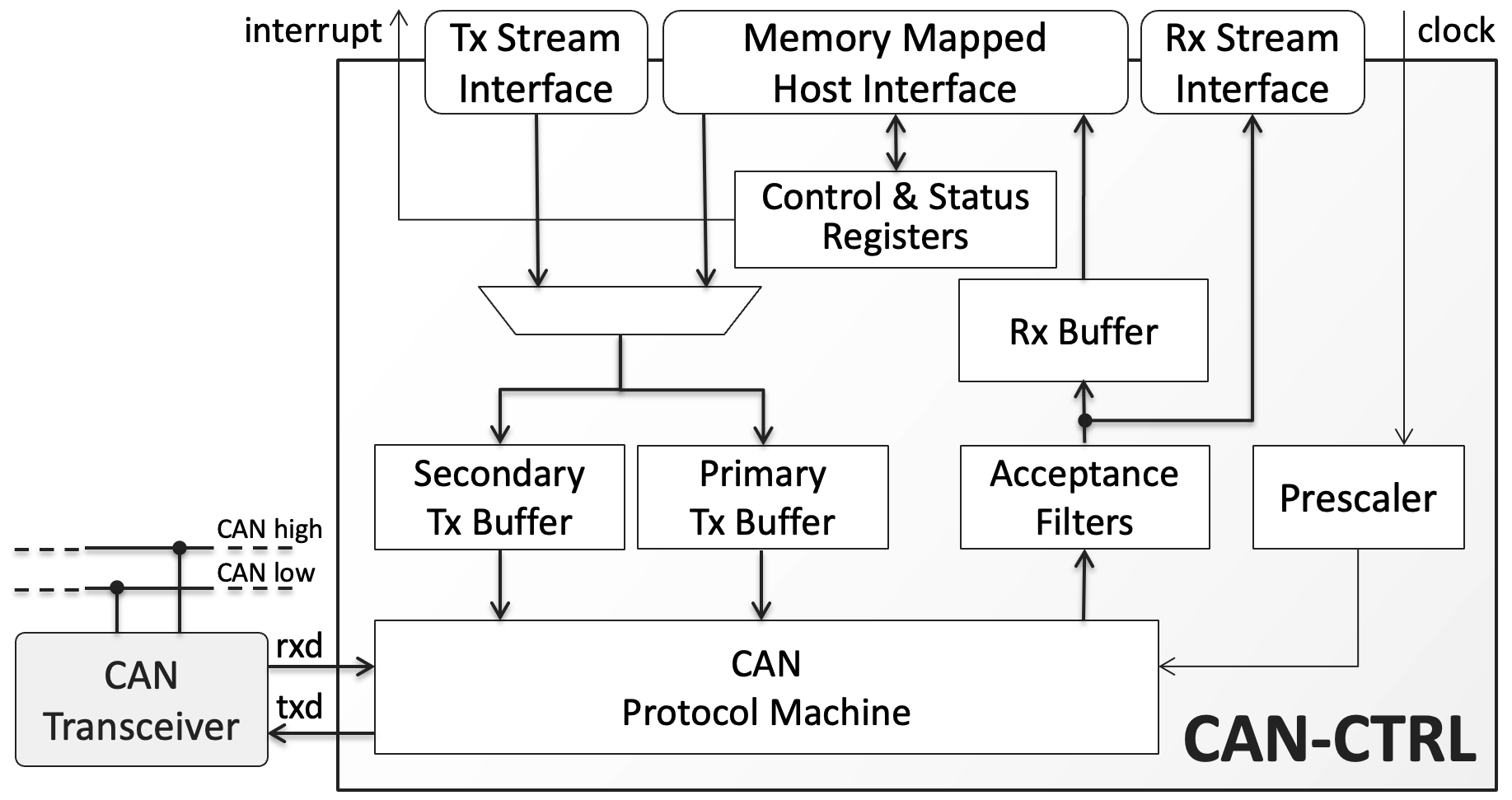
CAN-CTRL: CAN 2.0, CAN FD, & CAN XL Bus Controller Core
"The CAN-CTRL is a CAN bus controller compliant to Classical CAN, CAN FD, and CAN XL. The core is easy to use and integrate, featuring programmable interrupts, data and baud rates; and a configurable number of independently programmable acceptance filters. It implements a flexible buffering scheme, allowing fine-tuning of the core size to satisfy the requirements of each specific application.The number of receive buffers is synthesis-time configurable. Two types of transmit buffers are implemented: a high-priority primary transmit buffer (PTB) and a lower-priority secondary transmit buffer (STB). Finally, the CAN-CTRL provides error analysis, diagnosis, maintenance, and optimization features. The CAN-CTRL is available in two versions: Standard and Safety-Enhanced. The Safety-Enhanced version implements ECC for SRAMs protection and uses spatial redundancy for protecting the inner logic of the core. The Safety-Enhanced versions are certified as ISO-26262 ASIL-D Ready. "
By Computer Aided Software Technologies, Inc (dba CAST)



CIC FPGA IP Core
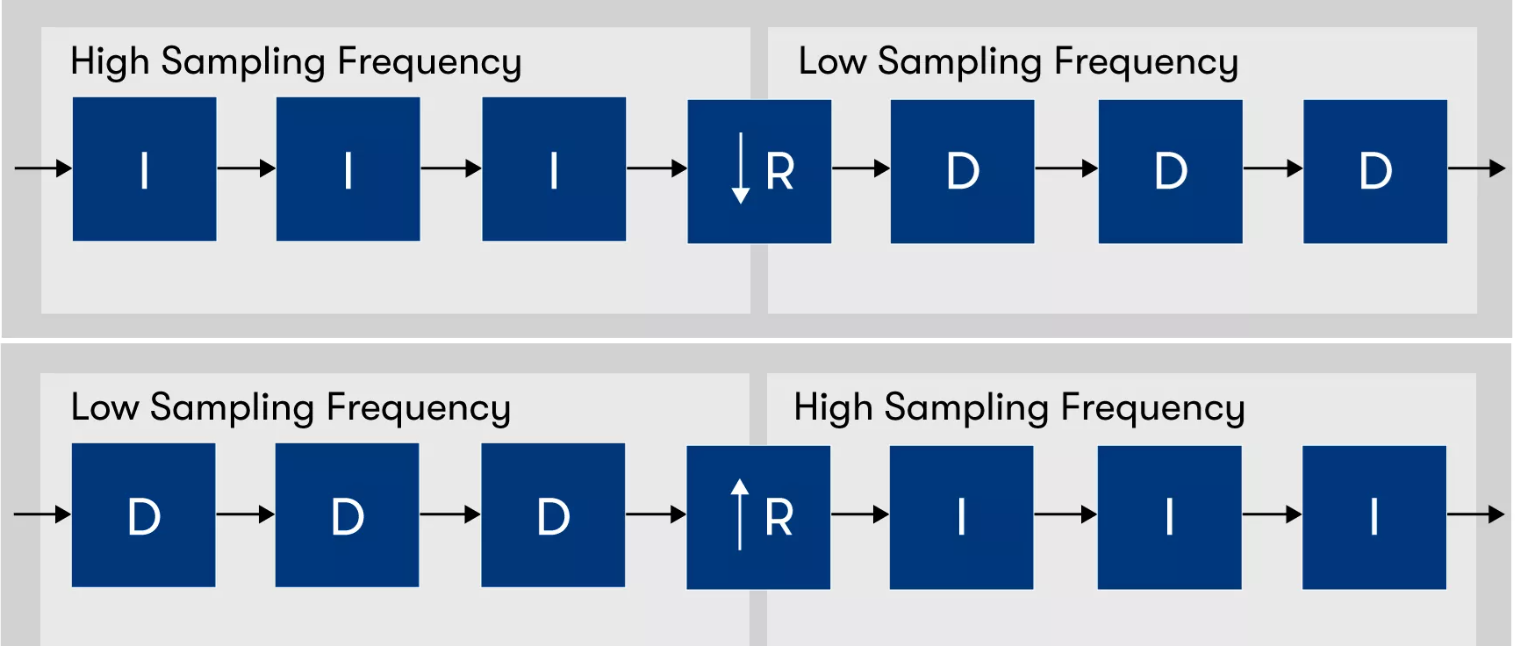
The CIC FPGA IP core offers computationally efficient cores for extracting baseband signals.
By Altera

CoaXPress Device IP Core
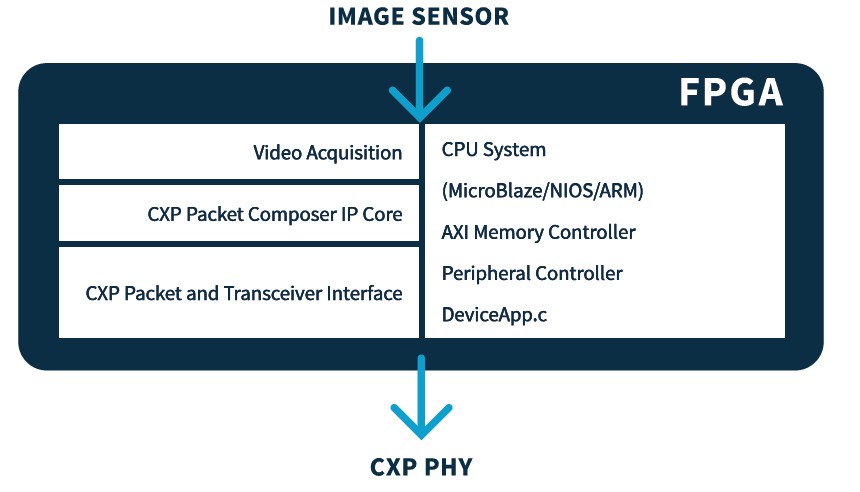
IP Core for CoaXPress camera applications with speed support from 1 Gbps up to 100 Gbps.
By Sensor to Image GmbH
CPRI FPGA IP
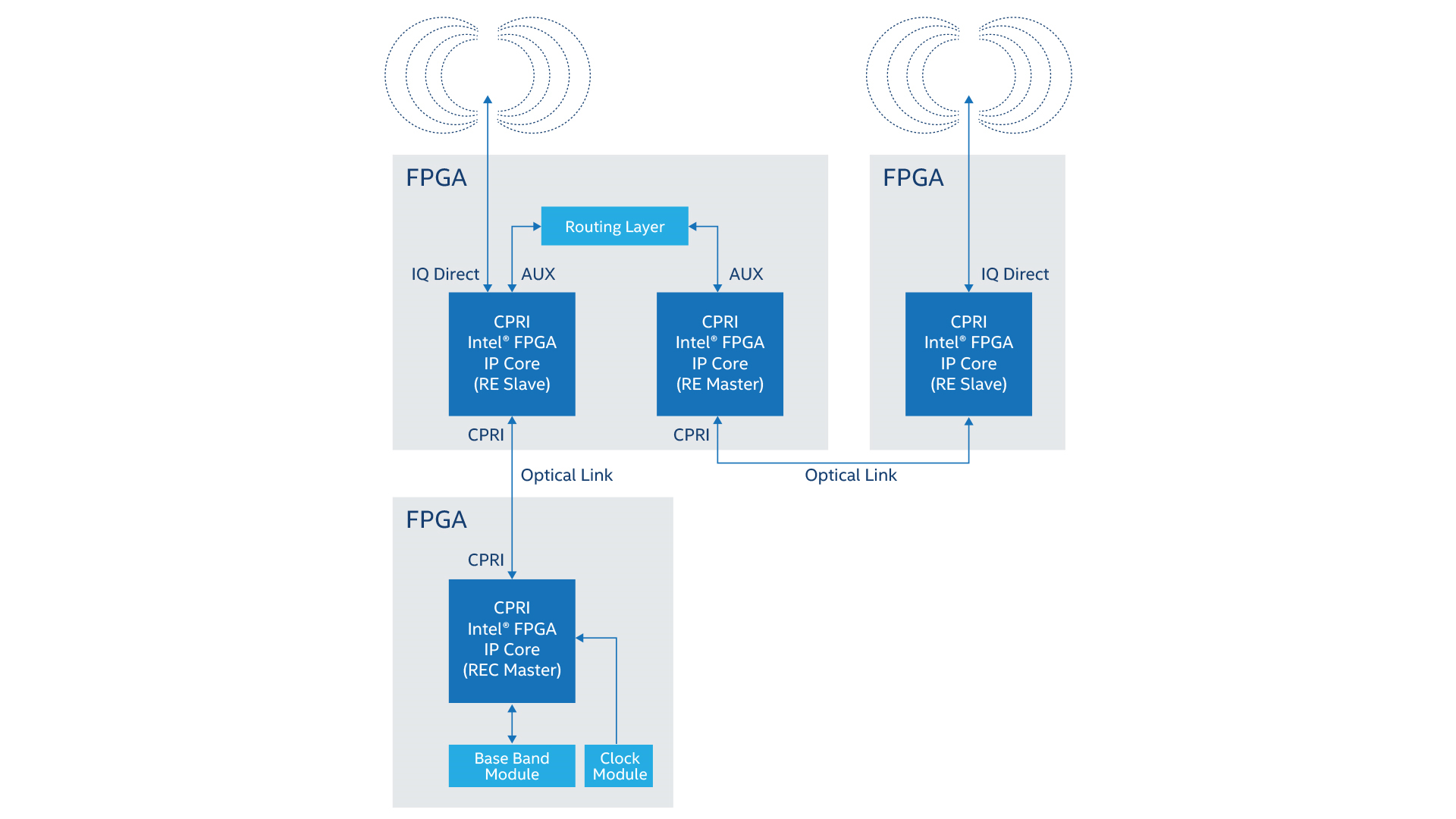
Altera CPRI FPGA IP delivers a high-performance, standards-compliant implementation of the CPRI Specification V7.0, enabling reliable, high-speed communication between Radio Equipment Controllers (RECs) and Remote Radio Equipment (REs). Fully configurable as either REC or RE, the IP simplifies integration in remote radio network applications and accelerates deployment of robust, low-latency fronthaul links.
By Altera
CSENT-Rx: SENT/SAE J2716 Receiver
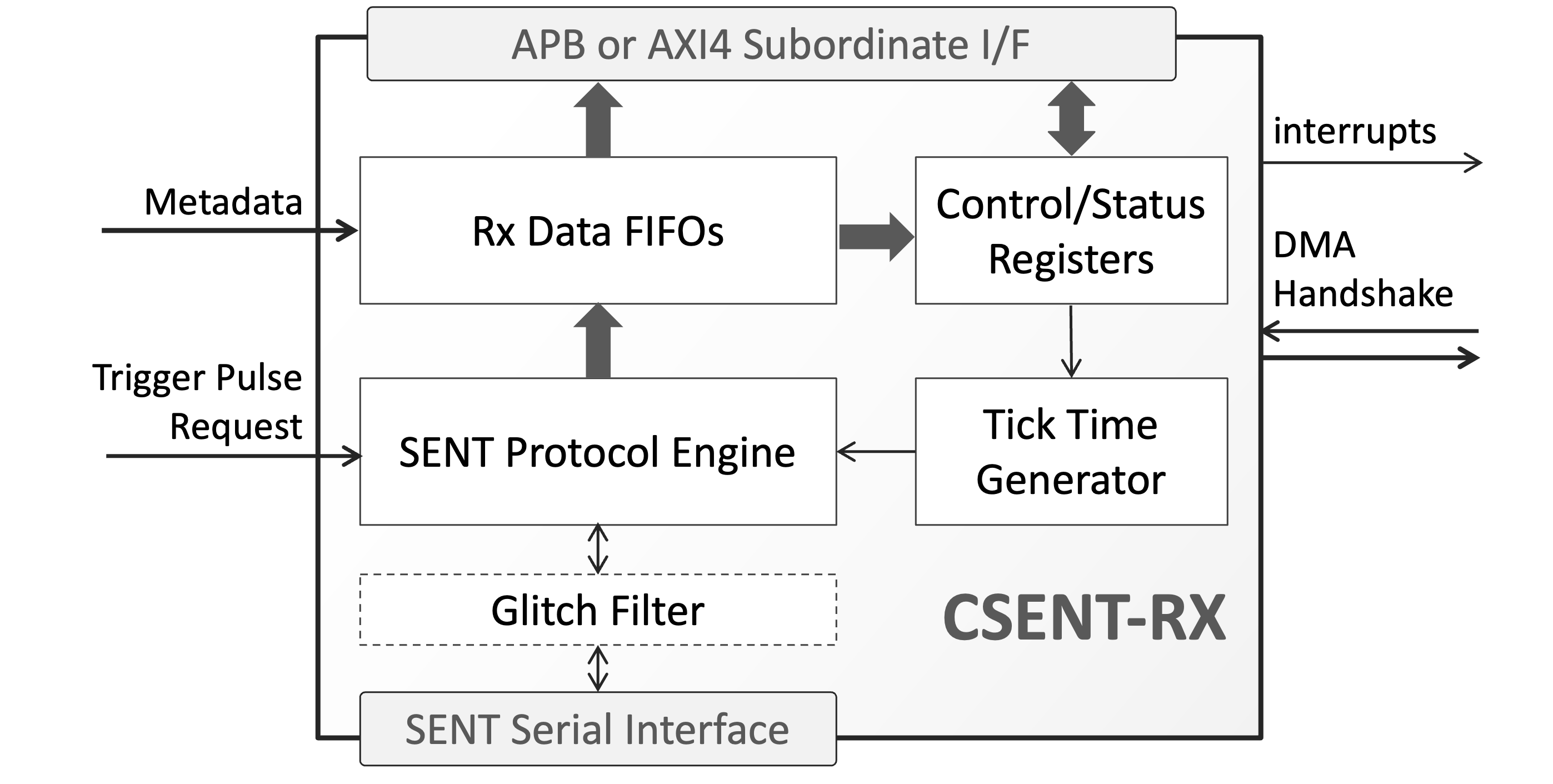
The CSENT-RX core implements a receiver for the Single Edge Nibble Transmission (SENT) protocol. It complies with the SAE J2716 standard and supports both synchronous and asynchronous sensors. It can be used for receiving data from one or multiple sensors using a single SENT line. The CSENT-RX provides access to its control, status, and data registers via a 32-bit APB, or AXI4-Lite bus interface. The core provides a glitch filter on the serial data input and has data mapping functionality on received data to offload the connected host from data formatting. The received data are accessible via the register interface. The core is also capable of generating trigger pulses requesting synchronous sensors to send data. A set of handshaking signals facilitates the integration with an external DMA controller. The CSENT-RX core is designed with industry best practice, has been rigorously verified and is production proven.
By Computer Aided Software Technologies, Inc (dba CAST)

Current: xSPI Initiator core.
xSPI Memory Controller Core for PSRAM, NOR Flash, STT-MRAM. Protocols: (a) JEDEC xSPI Profile 1.0, 2.0; (b) HyperBus 1.0, 2.0, 3.0; (c) OctaBus; (d) Octal Bus; (e) Exccela Bus. SLL support x8 and x16 PSRAM devices, and support chaining two x16 PSRAM devices to create x32 PSRAM channel.
By Synaptic Laboratories Ltd

CXL 3 CONTROLLER IP
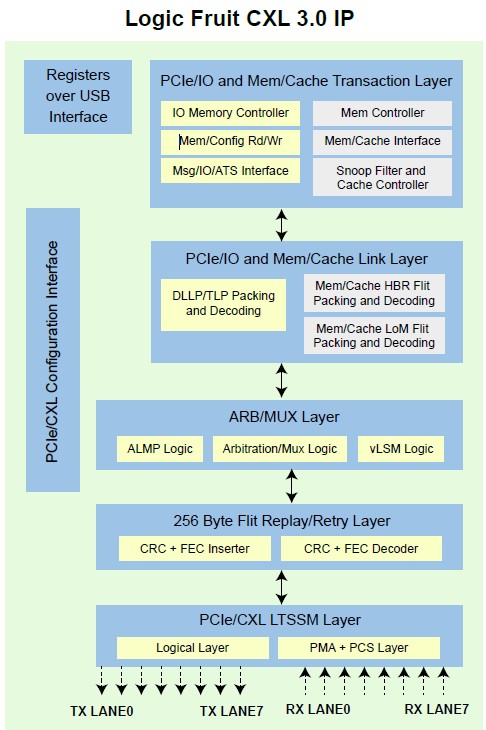
The CXL 3 Controller IP is forward compatible with CXL 3.x and backward compatible with previous versions, offering flexible configurations needed for advanced systems. It supports multiple channels and configurable CXL degraded modes, ensuring seamless integration with CXL devices and enabling high-performance data transfer. Ideal for versatile system designs, it accommodates all three CXL device types to facilitate efficient connectivity and scalable architecture.
By Logic Fruit Global Technologies Inc

DDR5 and DDR4, LPDDR5 and LPDDR4 External Memory Interfaces FPGA IP
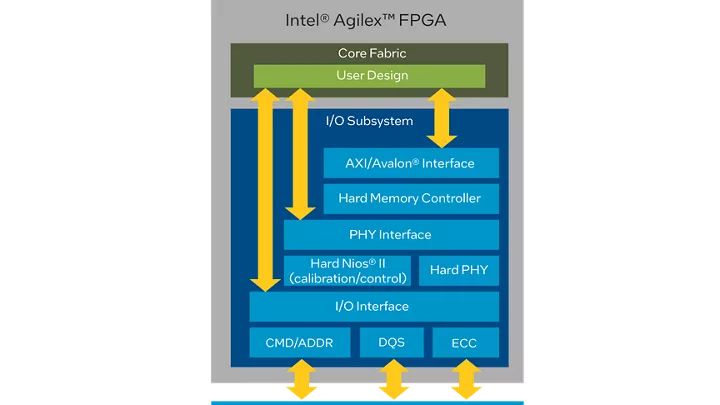
DDR4 and DDR5 offer higher bandwidth and improved performance over previous generations, with DDR5 providing further enhancements in speed and power efficiency. LPDDR4 and LPDDR5 are optimized for low power consumption, making them ideal for embedded applications, with LPDDR5 offering even faster data rates and improved energy management. When integrated with Altera FPGAs these memory technologies enable faster data processing and more efficient power usage for a wide range of applications including networking, cloud and edge.
By Altera
DISPLAY PORT IPs
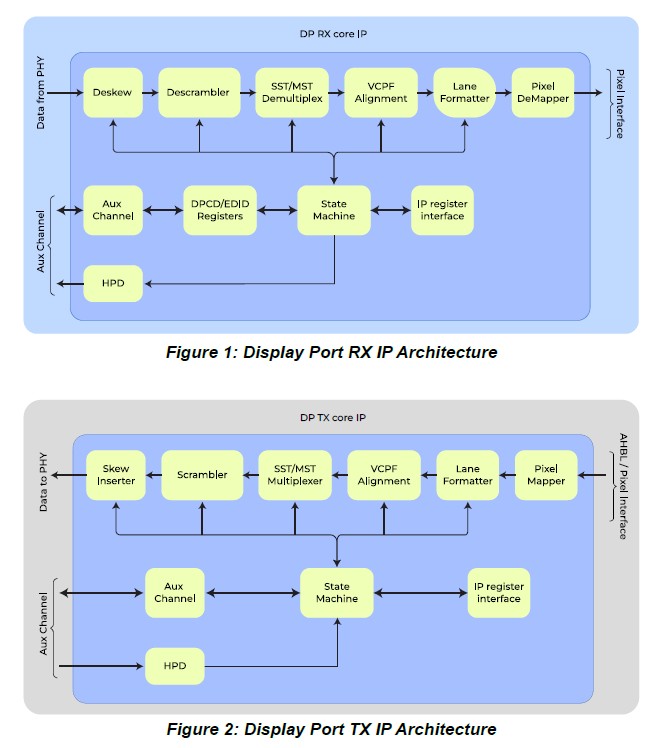
Logic Fruit's Display Port Transmitter & Receiver IP Cores support multiple line rates up to 8.1 Gbps. The IP cores have been developed as per Display Port specifications DP2.0/eDP1.5.
By Logic Fruit Global Technologies Inc